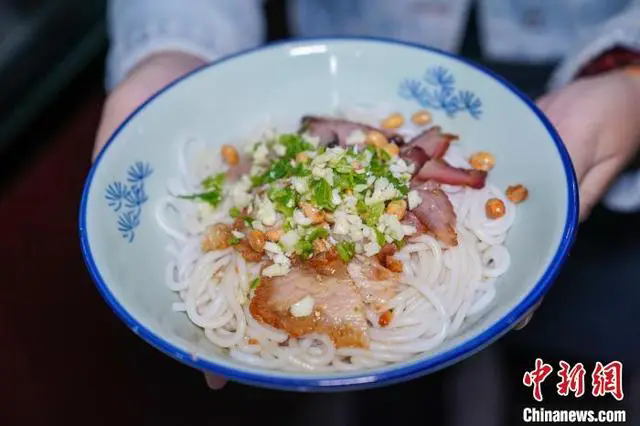
Guilin Rice Noodles
Introduction
Guilin rice noodles, a hallmark of Chinese culinary tradition, originate from the picturesque city of Guilin in the Guangxi Zhuang autonomous region. Known for its stunning natural landscapes, Guilin not only captivates visitors with its scenic beauty but also with its unique gastronomic offering—the rice noodle, which has been a staple in the local diet for over two millennia. Utilizing water from the Lijiang River and rice cultivated in Guilin, this traditional snack has gained significant popularity among both locals and tourists, transcending geographical boundaries to capture the palates of international food enthusiasts. With its recent recognition as a geographical indication trademark, efforts are underway to elevate the dish's global profile, positioning it as a culinary ambassador for Guilin.
History
The history of Guilin rice noodles stretches back nearly 2,000 years, rooted deeply in Chinese culinary heritage. Its evolution has been shaped by the region's distinct natural resources and cultural exchanges over centuries. Originally crafted to utilize the abundant water of the Lijiang River and the locally grown rice, the dish became a beloved fixture in the diets of the residents of Guilin. Historical records suggest that the noodles were first enjoyed by the local populace of Guilin, gaining prestige over time through regional trade and the movement of people. The enduring appeal of Guilin rice noodles stems from their ability to adapt to changing tastes while maintaining their traditional essence. Today, this delicacy not only signifies a link to the past but also represents a continuous journey of culinary innovation, enhanced recently by modern preservation technologies that extend the noodles' shelf life, facilitating their distribution beyond local markets.
Ingredients and Preparation
Core Ingredients
The core ingredients of Guilin rice noodles include rice, water, and a variety of seasonings that bring out a distinctive flavor profile. The rice used is specifically harvested from the fertile lands of Guilin, known for its quality and suitability for noodle-making. The water sourced from the Lijiang River adds a unique softness and purity to the noodles, contributing to their signature texture. The preparation also involves various condiments and toppings, including pickled vegetables, roasted peanuts, and sliced meats, which enhance the overall taste and provide a harmonious balance of flavors.
Cooking Process
The cooking process of Guilin rice noodles is meticulous, beginning with soaking the rice to soften it before grinding it into a fine paste. This paste is then shaped into noodle strands using traditional pressing methods, which are subsequently steamed to achieve their characteristic elasticity and chewiness. Once cooked, the noodles are typically served either in a hot broth or stir-fried, infused with an array of spices and garnishes that define the dish's flavor. The process highlights a blend of age-old techniques and modern innovations that ensure the noodles maintain their authentic taste while meeting contemporary culinary standards.
Varieties
Soup-based
The soup-based variety of Guilin rice noodles is perhaps the most traditional, offering a comforting and aromatic experience. The broth, which serves as the foundation, is typically prepared from simmered bones, herbs, and spices, imparting a rich and savory flavor. This version is often accompanied by an assortment of toppings, such as tender slices of beef or pork, fresh vegetables, and crisp peanuts, each adding its own textural and taste dimension to the dish.
Stir-fried
In contrast, the stir-fried version of Guilin rice noodles offers a different culinary experience, characterized by its bold flavors and crisp textures. Stir-frying the noodles allows for the incorporation of various ingredients such as chili peppers, garlic, and soy sauce, creating a deliciously spicy and savory dish. This variety is popular for its vibrant flavors and versatility, making it a favorite among those who enjoy a more robust taste.
Cultural Significance
Guilin rice noodles hold significant cultural importance in the region, symbolizing the rich heritage and culinary ingenuity of the local people. The dish is an essential part of social gatherings and festivals, where it is shared among family and friends, fostering connections and celebrating traditions. Additionally, it embodies the respect for natural resources and traditional knowledge passed down through generations, reflecting the community's dedication to preserving its cultural identity.








